

A frenum is the small band of soft tissue that connects the tongue to the floor of the mouth, or the lip to the gum. When it is too short or attached too close to the gum margin, it restricts movement in ways that can affect feeding in infants, speech development in children, or orthodontic stability in teenagers and adults. A frenectomy releases that restriction with a quick, minimally invasive procedure — preserving full function while eliminating the problem the tight frenum was causing.
At Bluewater Dental in Juno Beach, Dr. Blake Willoughby, DDS, treats patients across the full age range — from infants referred by a pediatrician or lactation consultant for tongue-tie, to adults having a labial frenectomy ahead of orthodontic treatment to prevent a gap from reopening after braces. We coordinate directly with your referring provider and give every patient and family a clear picture of what to expect before, during, and after the procedure.
After a topical or local anesthetic is applied, Dr. Willoughby releases the frenum quickly — the procedure typically takes only a few minutes. For infants, healing is very fast and feeding improvements are often noticed within hours to days. For older children and adults, minor soreness for a few days is normal and manageable with over-the-counter pain relief. We provide specific post-procedure instructions and follow up to confirm healing is progressing well.
A lingual frenectomy (tongue-tie release) addresses a frenum that limits tongue mobility, which can interfere with breastfeeding in infants and with speech, swallowing, or oral hygiene in older patients. A labial frenectomy addresses the frenum connecting the upper lip to the gum — when this tissue runs between the two front teeth, it can create or maintain a gap that orthodontic treatment alone cannot close permanently. Releasing it before or during orthodontic treatment gives the gap the best chance to close and stay closed. The right timing depends on your orthodontic plan, and we are happy to coordinate directly with your orthodontist at our Juno Beach office.
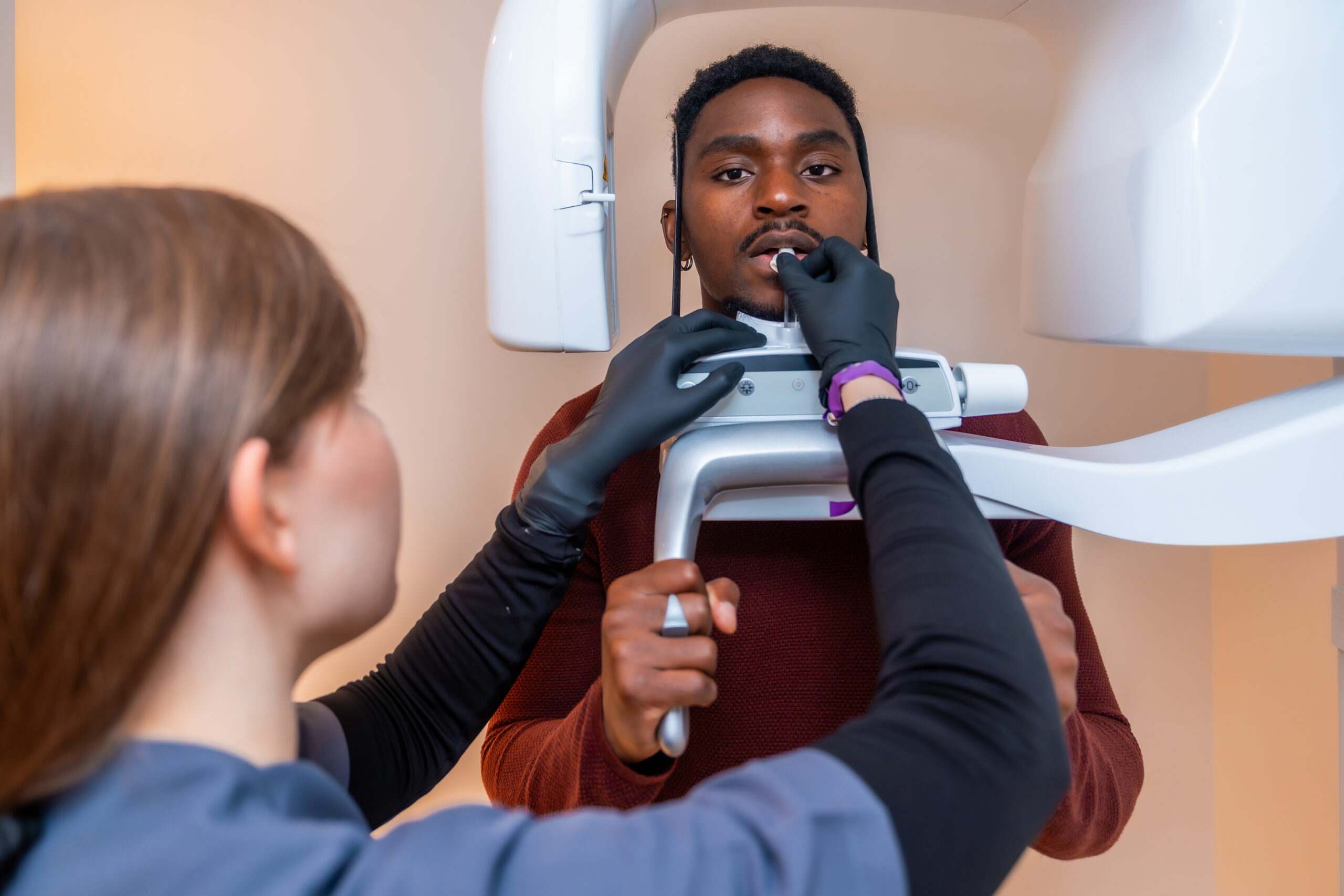

We do not position our practice as a pediatric specialty, but we welcome patients of all ages and the frenectomy is one of the most common procedures we perform across that range. Here is who typically comes to us for this treatment:
Infants with tongue-tie or lip-tie. Most infant referrals come from a pediatrician, lactation consultant, or speech therapist who has identified a feeding difficulty or latch problem related to a restrictive frenum. The procedure itself is quick, the topical anesthetic is well-tolerated, and improvement in feeding is often apparent within hours to days. We communicate directly with the referring provider and share our findings so the care team stays coordinated.
Children and teens. As children grow, a tight lingual frenum can contribute to speech patterns that are resistant to therapy, or to difficulty maintaining proper oral hygiene between the teeth. A lip-tie in this age group may affect the alignment of upper incisors or complicate orthodontic treatment. Frenectomy at this stage often supports the results that speech therapy and orthodontics are working toward.
Adults. Adults most commonly seek a labial frenectomy in coordination with orthodontic treatment — either to close a gap or to prevent one from reopening after braces. Some adults also pursue a lingual frenectomy for functional reasons, including difficulty with certain sounds or discomfort during speaking or eating. We coordinate directly with your dental insurance and orthodontist to time the procedure appropriately within your overall treatment plan.
Most infant frenectomy referrals come to us from a pediatrician, lactation consultant, or speech therapist. We communicate our findings back to the referring provider and ensure the full care team stays aligned throughout the process.
A frenectomy is minimally invasive and takes only a few minutes in the chair. We use topical and local anesthetic to keep the procedure comfortable, and most patients return to their normal routine the same day.
We send every patient home with written aftercare instructions matched to their age group and procedure type. We also follow up to confirm healing is progressing and coordinate with any referring provider still involved in the patient's care.
Most patients are surprised by how comfortable the procedure is. We apply topical anesthetic before the injection and use a local anesthetic to numb the area completely. During the procedure, you should not feel pain. Some mild soreness in the days following is normal and typically resolves quickly with over-the-counter relief.
Recovery is typically fast. Most patients return to eating and normal activity within a day or two. Infants treated for tongue-tie are usually back to feeding within 24 hours. Adults and teens may experience minor swelling or tenderness for a few days. We provide written aftercare instructions and are available if you have questions during healing.
There is no single right age. Infants identified with tongue-tie or lip-tie that is affecting nursing can benefit from early treatment, often within the first weeks of life. Older children may need a frenectomy if a frenum is causing a gap between teeth or impeding speech. Adults are also good candidates when the frenum is contributing to gum recession or affecting orthodontic results. Our team evaluates each patient individually and will recommend treatment only when it is clinically indicated. If you have questions about next steps, contact our Juno Beach office to schedule a consultation.
Dr. Blake Willoughby leads our Juno Beach practice on Donald Ross Road, and we will coordinate with your pediatrician, lactation consultant, or speech therapist as needed.
Trusted Sources

Monday - Thursday: 8AM - 6PM
Friday: By Appointment
Monday - Thursday: 8AM - 5PM
Friday: Closed
Fill out the form below and we will get in touch shortly.
"*" indicates required fields